
I Promised Them Capacity
When a tool takes the routine part of a knowledge worker's job, the hours that remain are the hardest ones, and most capacity plans still count them as lighter.
Read on Substack →
When the AI Report Lands on the Board
Commissioning an outside AI review is the easy part. What the board does with the findings decides what it was worth.
Read on Substack →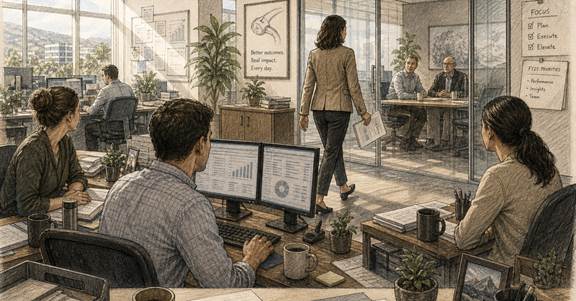
The Doubt No One Reports
The people closest to the work know where the AI output is wrong, and whether they say so depends on what happened to the first person who spoke up.
Read on Substack →
The Cuts Got a Quick Yes
Cost cuts got approved fast. Growth investments got approved slowly, with an asterisk. Over time that gap became the strategy, and it tested what we said we stood for.
Read on Substack →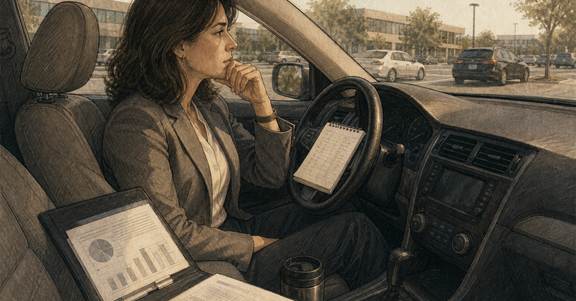
What the Team Hears When the Strategy Lands
The week after a strategy announcement decides how much effort people put behind it, and the leader with the clearest view of the plan is most likely to miss it.
Read on Substack →
The Supervised Middle: Why AI Agent Returns Are Lagging
Companies are paying for agent autonomy, then have capable people approving every step, and the way out is a leadership decision made one task at a time.
Read on Substack →
Building a Board That Makes You Better: A Founder-CEO's Guide to Board Architecture
Most founder-CEOs at the lower middle market ($15M–$60M) stage have the paperwork for a board but not the structure that makes one worth having.
Read on Substack →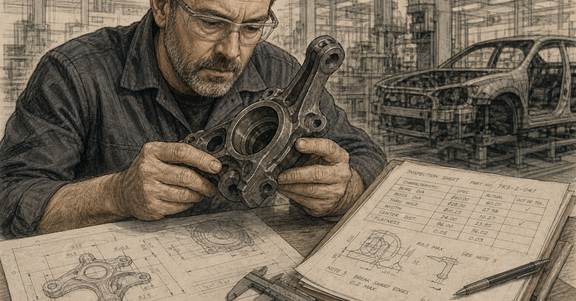
The People Who Knew What Good Looked Like
Ford rehired 350 engineers to recover what their documentation never contained, and the same gap is inside every succession plan that looks complete on paper.
Read on Substack →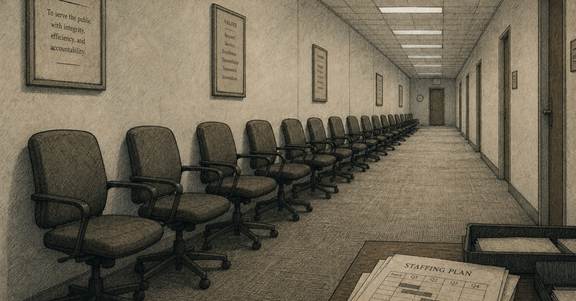
The Decisions We Let Happen
Most leadership failures aren't bad decisions. They're decisions that were never made at all, just absorbed by the people closest to the work.
Read on Substack →
Which Decisions Are Still Yours
A decision-rights framework for executives and boards who need to know, before the pressure arrives, which judgments no algorithm can own.
Read on Substack →